jind.splenden.in

Generic selectors
Exact matches only
Search in title
Search in content
Post Type Selectors
Generic selectors
Exact matches only
Search in title
Search in content
Post Type Selectors

Temples

Temples

Hanuman Mandir Jind

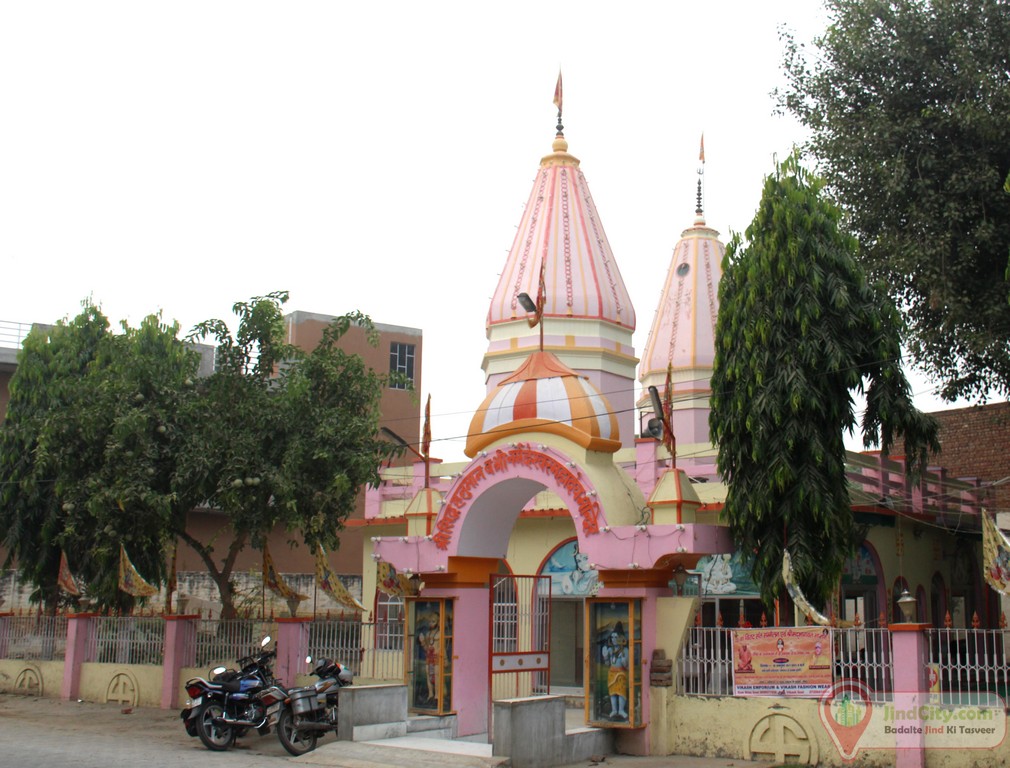
Hanuman Mandir Jind is a revered Hindu temple dedicated to Lord Hanuman, located in Jind, Haryana, India. It serves as a major spiritual and cultural landmark in the region, attracting devotees from across northern India for worship and religious festivities. Key facts Religious significance The temple honors Lord Hanuman, the monkey deity known for devotion, strength, and service in the Hindu epic Ramayana. It is believed that prayers offered here grant courage and remove obstacles. The site is especially active during Hanuman Jayanti, when large crowds visit to offer prayers and participate in rituals. Architecture and layout Hanuman Mandir Jind features a traditional North Indian temple structure, often decorated with vivid murals and sculptures depicting Hanuman’s deeds. The temple complex includes sanctums for other deities and open areas for communal worship, emphasizing accessibility and collective devotion. Community and events Beyond daily worship, the temple serves as a focal point for local spiritual life. It hosts bhajan kirtans, charity drives, and langars (community meals). Devotees visit particularly on Tuesdays and Saturdays, considered auspicious for Hanuman, seeking blessings for strength and protection. Location and accessibility Situated centrally within Jind city, the temple is easily reachable by local transport. Its central location and active management make it a frequent stop for pilgrims traveling through Haryana’s spiritual circuit, linking with other historic and religious sites in the region.

Temples

Sheetla Mata Temple

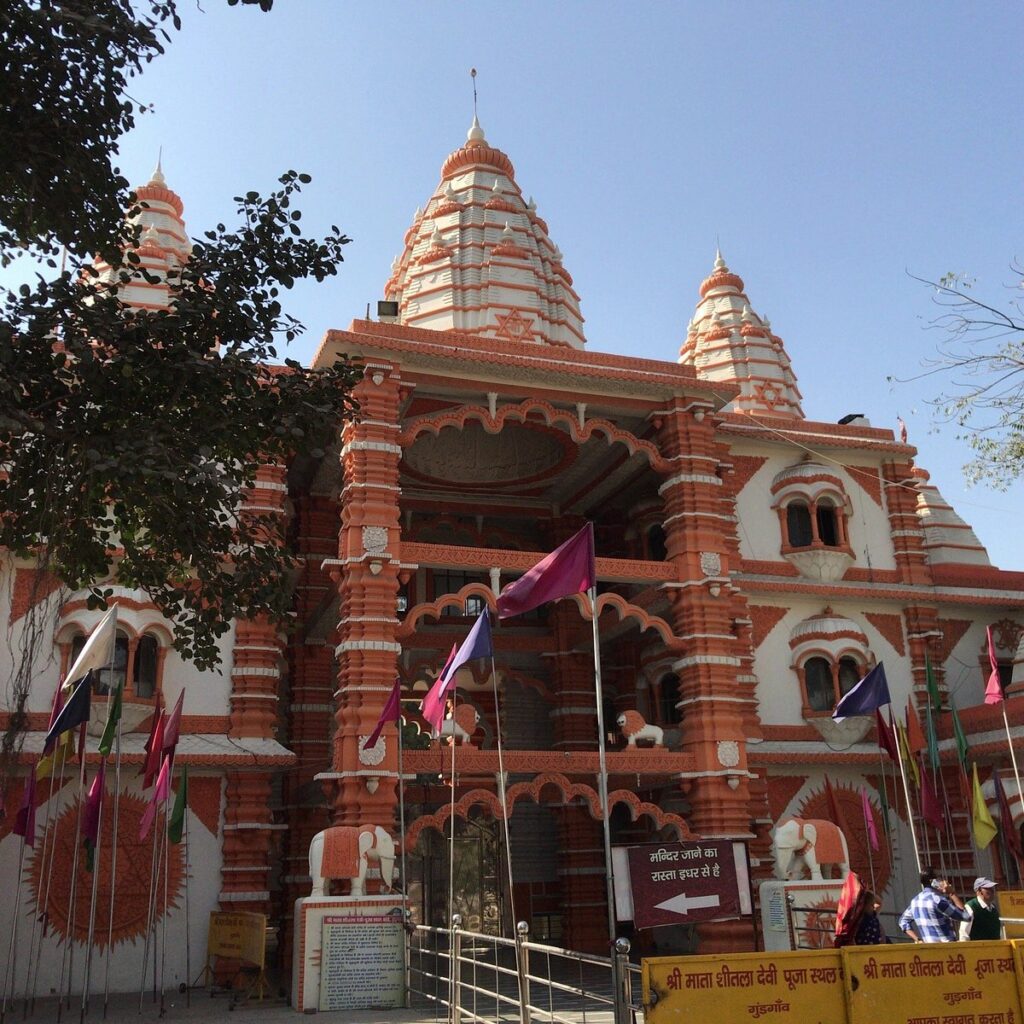
The Sheetla Mata Temple in Jind, Haryana, India, is a revered Hindu pilgrimage site dedicated to Goddess Sheetla Mata, the deity associated with curing diseases like smallpox and bringing well-being. It serves as a major center of faith for locals and visiting devotees, particularly during the temple’s annual fairs. Key facts Religious and Cultural Significance The temple is one of the most important shrines dedicated to Sheetla Mata in northern India. Devotees come to seek blessings for health, fertility, and protection from diseases. During the festival of Sheetla Ashtami, thousands gather to perform rituals and offer food that is customarily prepared a day earlier, symbolizing purity and prevention of infection. Architecture and Setting Constructed in a traditional Hindu style, the temple complex features a sanctum sanctorum housing the idol of Sheetla Mata adorned with bright clothes and garlands. Surrounding halls and courtyards accommodate pilgrims and ritual activities. The temple is situated near the center of Jind city, making it easily accessible to both locals and visitors. Pilgrimage and Festivals The temple draws major crowds during Sheetla Ashtami, also known as Basoda, when special pujas, kirtans, and fairs are organized. Devotees often carry offerings such as halwa-puri, flowers, and coconuts. The fair transforms the temple precinct into a lively hub of devotional and cultural activities, reflecting the deep-rooted spiritual traditions of Haryana.

Temples

Jayanti Devi Temple

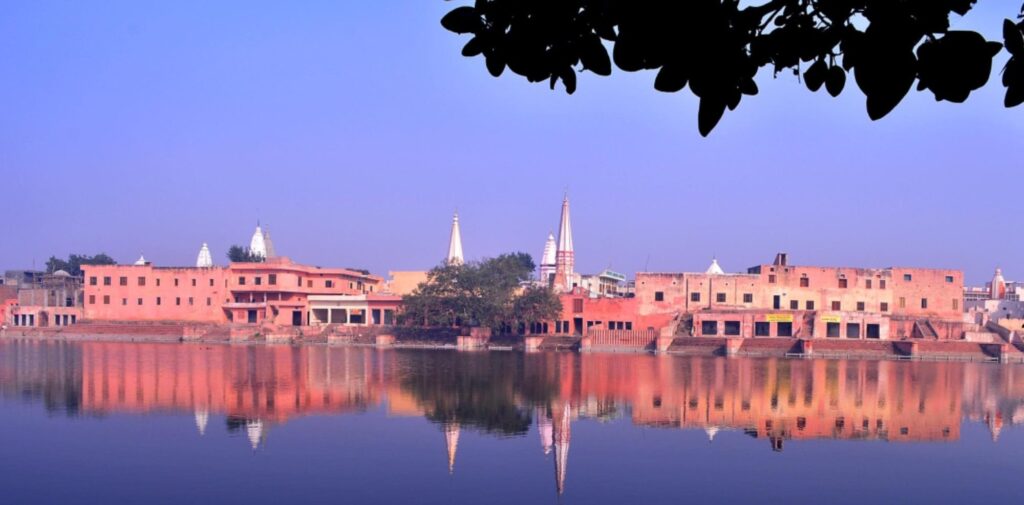
Jayanti Devi Temple in Jind, Haryana, India, is a historic Hindu shrine dedicated to Goddess Jayanti, revered as a symbol of victory and compassion. Situated near the scenic Rani Talab area, it serves as both a spiritual and cultural landmark connecting the town’s mythological past with its civic life. Key facts Historical background According to tradition, the Pandavas built the original shrine to seek blessings from Jayanti Devi before the Mahabharata war, giving rise to the ancient settlement of Jaintpuri, later known as Jind. The temple’s legacy continued through successive dynasties and local rulers, who expanded the site and maintained its ritual importance. The name “Jind” itself is derived from “Jayanti,” underscoring the goddess’s deep association with the region. Architecture and setting The temple follows the northern Indian mandir style with a sanctum, pillared hall, and subsidiary shrines. It stands close to Rani Talab—a historic water tank that provides a serene backdrop and supports ritual bathing and community gatherings. Stone steps, arched gateways, and local ornamentation lend the complex a heritage character consistent with medieval temple architecture. Religious and cultural significance Jayanti Devi is worshipped as a sensitive and benevolent goddess who listens to the prayers of her devotees. Major fairs held on the full moon of February and in August attract thousands of pilgrims from Haryana and neighboring states. Daily rituals, Navratri celebrations, and weekend congregations make the temple an enduring center of devotion and local identity.

Temples

Pandupindara Temple

Pandupindara Temple is a Hindu pilgrimage site located near Jind in Haryana, India. Revered for its connection to the epic Mahabharata, the temple and surrounding sacred pond attract devotees who perform rituals for ancestral peace and spiritual purification. Key facts Mythological significance According to local belief, the site marks where the Pandavas offered pind daan (ancestral rites) for their forefathers during their exile. The name “Pandupindara” itself combines Pandu (their father) and pind daan (ritual offerings), emphasizing its mythic link to filial duty and redemption in Hindu tradition. Religious practices Pilgrims visit the temple particularly on Amavasya, when it is believed that offering water and prayers here benefits departed ancestors. The adjacent pond, considered holy, is used for purification baths before rituals. The site also hosts gatherings during Mahashivaratri, reflecting its integration of Shaiva worship with epic lore. Cultural and regional role Pandupindara Temple contributes to Haryana’s heritage as one of the tirthas (holy spots) tied to the Mahabharata geography. It draws visitors from across the region, combining devotional activity with local fairs and cultural observances that reinforce community ties and the continuity of ancient ritual traditions.

Temples

Rani Talab Temple

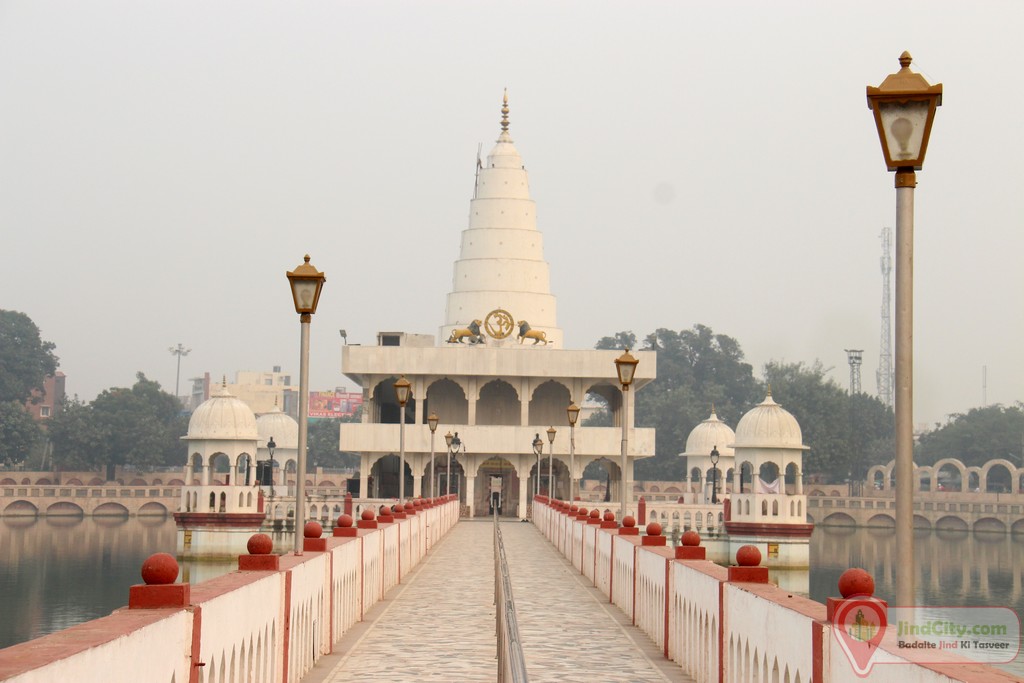
Rani Talab Temple, also known as Bhuteshwar Shiv Temple, is a historic Shiva shrine located in the center of Rani Talab pond in Jind, Haryana, built by King Raghubir Singh in the 19th century on the lines of Amritsar’s Golden Temple. The circular temple amid the pond offers stunning views, especially at night with illuminated fountains and boating options.One of the most well-known religious sites in Jind, Rani Talab Temple is located near the historic Rani Talab (pond). A peaceful place surrounded by water, giving it a spiritual atmosphere. Dedicated mainly to Lord Shiva. The temple complex includes several small shrines. Especially crowded during Mahashivratri and Sawan month.

News
jobs
Home
Contact
Listings